
Best Twin XL Mattress Toppers for Dorm Beds
Choosing the right Twin XL mattress topper can transform a hard dorm mattress into a comfortable and supportive sleep surface. Poor sleep not only leaves students exhausted but can negatively impact memory and academic performanceaasm.org. This comprehensive guide explores why Twin XL toppers are essential in dorm rooms, outlines how to select the best topper based on sleep position and materials, and reviews the top products tested by experts. Practical safety tips, real‑world examples and answers to frequently asked questions help freshmen make an informed purchase.
Why You Need a Twin XL Mattress Topper in a Dorm Room
Sleep quality and academic success
Dorm life often means sleeping on worn‑out or overly firm mattresses. Lack of quality sleep affects concentration, memory and overall performance. A press release from the American Academy of Sleep Medicine (AASM) notes that students who sleep six hours or less each night for two weeks perform as poorly as someone who has gone without sleep for 48 hoursaasm.org. Adequate sleep is essential for learning and memory consolidation. Students who report shortened sleep time or poor sleep quality are more likely to receive lower grades and experience decreased alertness.
Benefits of adding a topper
Twin XL mattress toppers provide several benefits:
- Comfort and pressure relief – Foam and latex toppers conform to the body’s curves, cushioning pressure points and relieving aches. Sleepopolis notes that a topper can provide extra comfort, support and features such as pressure relief, cooling and motion isolationsleepopolis.com.
- Support for different sleepers – Back sleepers need a medium‑firm surface to maintain posture, side sleepers need a softer topper for shoulder and hip relief, and stomach sleepers need firm support to prevent sinking. Heavy sleepers may prefer thicker toppers, while light sleepers can often use thinner models.
- Temperature regulation – Cooling gel, copper or graphite infusions and breathable covers help dissipate heat, though memory foam naturally traps warmth. Latex foam is naturally cooler and does not retain heat.
- Budget‑friendly upgrade – Replacing a dorm mattress is usually impossible, but a mattress topper offers a cost‑effective way to improve comfort.
- Hygiene and easy maintenance – Many toppers feature removable, machine‑washable covers, and some include antimicrobial treatments.
Dorm‑friendly sizing
Most college beds use Twin XL mattresses (39 inches × 80 inches), and many manufacturers design toppers specifically in this size. When choosing a topper, confirm that it is labelled “Twin XL,” and check that its thickness suits the bed frame and guardrails—particularly on bunk or lofted beds. San José State University’s housing guidelines stipulate that mattress toppers are allowed on bunk beds only if at least five inches of clearance remain between the top of the topper and the top of the railsjsu.edu. Exceeding this thickness can compromise safety and violate housing rules.
 Sleepyhead Twin XL 3-Inch
$469.00
Sleepyhead Twin XL 3-Inch
$469.00
 Helix GlacioTex Plush
$280.00
Helix GlacioTex Plush
$280.00
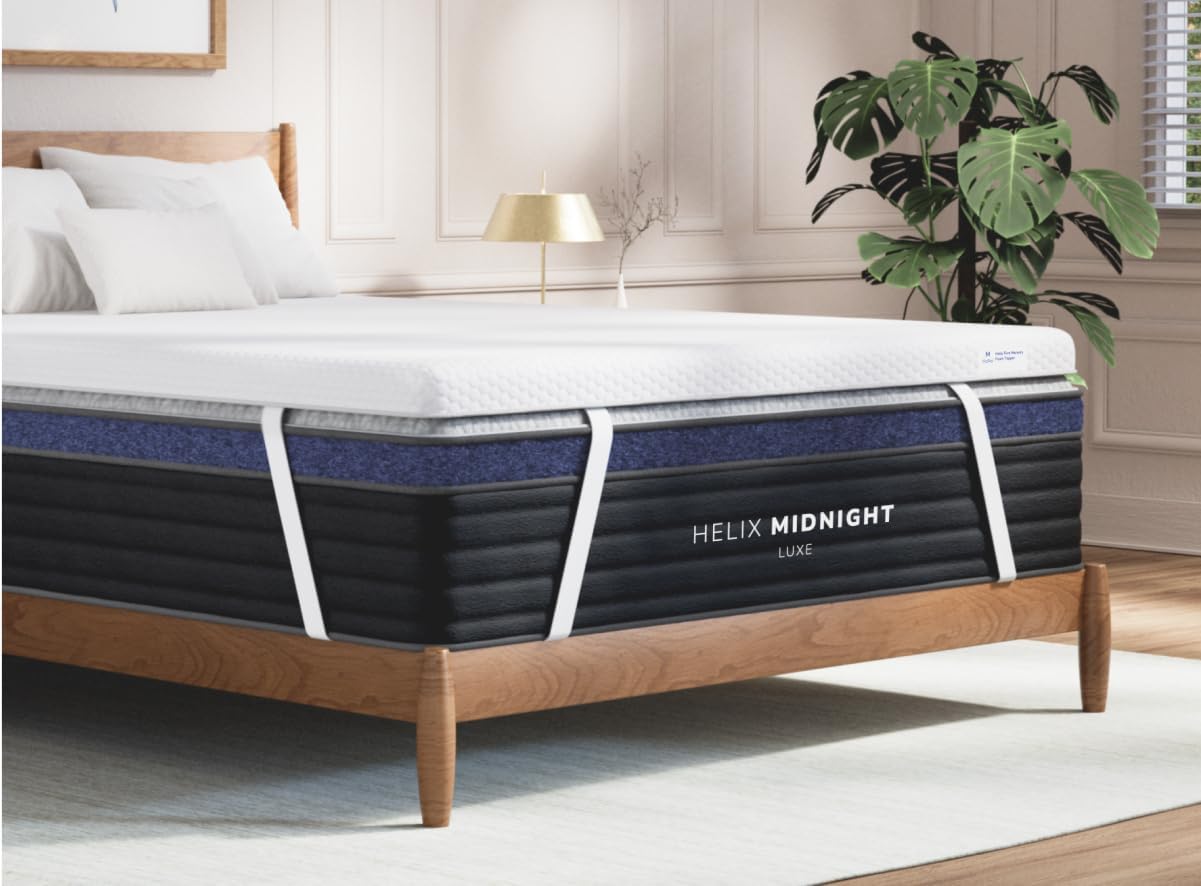 Helix Twin XL Soft
$280.00
Helix Twin XL Soft
$280.00
 CopperFlex Cooling Topper
$249.00
CopperFlex Cooling Topper
$249.00
 Saatva Graphite 3-Inch
$305.00
Saatva Graphite 3-Inch
$305.00
 TEMPUR Supreme Twin XL
$189.00
TEMPUR Supreme Twin XL
$189.00
 ViscoSoft 3-Inch Full
$159.99
ViscoSoft 3-Inch Full
$159.99
 ViscoSoft 2-Inch Twin
$139.95
ViscoSoft 2-Inch Twin
$139.95
 Layla 2-Inch Twin
$194.00
Layla 2-Inch Twin
$194.00
 Linenspa 3-Inch King
$119.99
Linenspa 3-Inch King
$119.99
 Sponsored Ad – Amazon.com
How to Choose the Right Twin XL Mattress Topper
Not all toppers are created equal. Consider the following factors when shopping for a Twin XL mattress topper.
Sleeping position and firmness
Your primary sleep position determines the ideal firmness:
- Back sleepers – Look for a medium‑firm topper that supports the spine while offering gentle cushioning. Foam toppers with moderate contouring are suitable.
- Side sleepers – A softer topper relieves pressure on the shoulders and hips. Sleepopolis recommends deep contouring foam for side sleeperssleepopolis.com.
- Stomach sleepers – Seek a firm and supportive surface; thin latex toppers prevent hips from sinking and maintain spinal alignment.
The firmness of your existing dorm mattress also matters. If the mattress is extremely firm, choose a softer topper to achieve a medium feel. For a mattress that is already medium‑firm, a thinner topper adds comfort without excessive softness.
Body type and thickness
Body weight influences how much a topper will compress. Heavier sleepers (over 250 lb) sink deeper and often require thicker toppers (3–4 inches), while lighter sleepers can get sufficient comfort from a 2‑inch topper. Side sleepers and heavy individuals typically benefit from thicker toppers.
Materials
- Memory foam – Conforms closely and relieves pressure; however, it tends to trap heat. Companies often use gel, copper or graphite infusions to improve cooling. Higher‑density foam is typically more durable.
- Latex foam – Derived from rubber tree sap, latex offers a buoyant, responsive feel and maintains a naturally cool temperature. Latex toppers can be more expensive but are popular among hot sleepers.
- Down or down alternative – Provides a plush, “cloud‑like” feel but offers minimal support and may not suit those who need spinal alignment.
- Hybrid materials – Some high‑end toppers combine foam with microcoils or include natural fibers like wool or cotton to balance comfort and breathability. Eco‑friendly options use certified organic materials.
Cooling features
Memory foam’s heat‑retention can disturb sleep. Look for materials like copper or gel infusions that dissipate heat, or choose a topper with a bamboo viscose or Phase Change Material cover that helps regulate temperature. For the coolest sleep, opt for latex toppers.
Cover, straps and durability
Features to look for include:
- Removable and washable cover – Allows easy cleaning and promotes hygiene.
- Elastic straps or skirts – Secure the topper to the mattress to prevent shifting.
- Non‑slip bottom – Prevents sliding on slick dorm mattresses.
- Warranty and trial – Many brands offer 30–180‑night trials and warranties ranging from three to ten years. A trial period lets you test comfort before committing.
Safety and Maintenance Considerations
Bunk and loft‑bed safety
• Thickness limitations – Bunk bed guardrails must extend at least 5 inches above the combined height of the mattress and topper. Check your housing policy; exceeding this height may violate safety rules or require rail modifications.
• Proper installation – Use manufacturer‑provided ladders and avoid hanging items on them. Beds must be placed to ensure egress is unobstructed during emergencies.
• Inspection and maintenance – Regularly inspect guardrails and ladders for stability and report any issues.
Keeping your topper fresh
- Air it out – Foam toppers often emit a slight “new foam” smell. Allow the topper to air out for 24 hours before use.
- Use a mattress protector – A waterproof and breathable protector shields the topper from spills and allergens.
- Rotate regularly – Rotating the topper every few months helps distribute wear evenly.
- Follow cleaning instructions – Only machine‑wash covers and spot‑clean foam; never fully soak memory foam.
Top Twin XL Mattress Toppers for Dorm Beds
The following products are top‑rated by sleep experts and tested in laboratories. Each offers unique benefits for different budgets and sleep preferences.
Comparison Table
|
Topper (Best for) |
Material/Thickness |
Standout Features |
|
Sleepyhead Gel Topper (Best Overall) |
2 – 3 inches of open‑cell memory foam |
Designed for dorm beds; 60‑night trial; machine‑washable cover and
elastic straps |
|
Brooklyn Bedding CopperFlex 201
(Best Value) |
2 inches of copper‑infused
memory foam |
Medium‑firm feel; minimal heat
retention; 30‑night trial and 3‑year warranty |
|
Helix GlacioTex Premium (Most Comfortable) |
1.5″ polyfoam + 0.75″ microcoils + 1.5″ high‑density foam
(3.75 inches total) |
Deep cushioning and microcoil support; cool‑to‑the‑touch cover; 100‑night
trial |
|
Saatva Graphite Memory Foam
(Best Luxury) |
3 inches of graphite‑infused
memory foam |
Medium‑soft feel; excellent
pressure relief; organic cotton cover with antimicrobial treatment |
|
Birch Plush Organic (Best Eco‑Friendly) |
2 inches of natural Talalay latex, organic wool and cotton |
Certified organic materials; breathable and naturally bouncy; 10‑year
warranty |
|
Tempur‑Pedic TEMPUR‑Cloud
(Best Pressure Relief) |
2 inches of proprietary
TEMPUR foam |
Durable and supportive; machine‑washable
cover; 10‑year warranty |
|
ViscoSoft Select High Density (Best
for Spinal Alignment) |
2–4 inches of gel‑infused memory foam |
Medium‑firm feel; excellent ventilation; adjustable straps and anti‑slip
bottom |
|
Layla Memory Foam Topper
(Best for Side Sleepers) |
2 inches of copper gel‑infused
foam |
Plush feel ideal for side
sleepers; ThermoGEL cover for cooling; 120‑night trial |
Sleepyhead Twin XL 3-Inch
$469.00
Helix GlacioTex Plush
$280.00
Helix Twin XL Soft
$280.00
CopperFlex Cooling Topper
$249.00
Saatva Graphite 3-Inch
$305.00
TEMPUR Supreme Twin XL
$189.00
ViscoSoft 3-Inch Full
$159.99
ViscoSoft 2-Inch Twin
$139.95
Layla 2-Inch Twin
$194.00
Linenspa 3-Inch King
$119.99
Sponsored Ad – Amazon.com
Sleepyhead Gel Topper – Best Overall
Designed specifically for college dorm beds, the Sleepyhead Gel Topper comes in 2‑ and 3‑inch profiles. SleepFoundation’s testers found that side sleepers preferred the deeper 3‑inch model for added contouring, while back and stomach sleepers enjoyed the support of the 2‑inch modelsleepfoundation.org. The open‑cell foam and cooling gel infusion delivered above‑average temperature control, and testers reported excellent pressure relief and spinal alignment. The knit polyester cover is removable and machine‑washable, and thick elastic straps keep the topper in place. Students receive a 10 % discount, a 60‑night sleep trial and a five‑year warranty.
Brooklyn Bedding CopperFlex 201 – Best Value
The Brooklyn Bedding CopperFlex 201 is a medium‑firm 2‑inch memory‑foam topper infused with copper. According to SleepFoundation, it is the brand’s first model designed specifically for dorm dwellerssleepfoundation.org. The copper infusion helps dissipate heat and provides antimicrobial benefits, while the medium firmness offers balanced support for side sleepers over 130 lb and back/stomach sleepers up to 230 lb. The topper includes a knit cover with elastic straps and is available in all standard sizes. Students benefit from a 30‑night trial, a 3‑year warranty and discounts on purchases.
Helix GlacioTex Premium – Most Comfortable
Helix’s GlacioTex Premium Mattress Topper combines three layers—polyfoam, microcoils and high‑density foam—for nearly 4 inches of cushioning. The cover uses GlacioTex fabric engineered to stay cool to the touch, while the microcoils promote airflow. Testers found that the medium‑soft version suits side and back sleepers under 130 lb, whereas the medium‑firm option is better for sleepers up to 230 lb. Though pricier, the topper includes a 100‑night trial and a one‑year warranty, making it ideal for students seeking a luxurious feel and strong motion isolation.
Saatva Graphite Memory Foam – Best Luxury
The Saatva Graphite Memory Foam Topper features 3 inches of plush graphite‑infused memory foam. SleepFoundation testers praised its high‑quality construction and ability to smooth out deep impressions in old dorm mattressessleepfoundation.org. With a medium‑soft feel, the topper provided excellent pressure relief for side sleepers up to 230 lb and back and stomach sleepers under 130 lb. The graphite infusion and breathable organic cotton cover reduce heat buildup. Each corner has a thick elastic strap, and the Guardin antimicrobial treatment keeps the sleeping surface hygienic. Saatva offers a 180‑night trial and a one‑year warranty.
Birch Plush Organic Topper – Best Eco‑Friendly
Eco‑conscious students will appreciate the Birch Plush Organic Mattress Topper, which uses organic cotton, wool and natural Talalay latex. The 2‑inch profile and medium (5) firmness suit a wide range of sleepers. Latex’s natural bounce and breathability prevent heat buildup, and the organic wool layer adds softness and acts as a fire retardant. SleepFoundation testers noted that the topper performed well for side, back and stomach sleepers under 230 lb. Birch includes a 100‑night trial, free shipping and a 10‑year warranty.
Tempur‑Pedic TEMPUR‑Cloud Topper – Best Pressure Relief
Tempur‑Pedic’s TEMPUR‑Cloud Topper uses 2 inches of proprietary TEMPUR foam—the same material found in the brand’s mattresses. SleepFoundation found it provides noticeable cushioning and contouring without the deep “hug” of thicker foam. Side and back sleepers up to 230 lb experienced excellent pressure relief, making it a great option for students with chronic back or shoulder pain. The stretch‑knit cover can be machine‑washed, but the foam core should be spot‑cleaned only. The topper ships free and carries a 10‑year warranty, though there is no trial periodsleepfoundation.org.
ViscoSoft Select High Density Topper – Best for Spinal Alignment
Available in 2‑, 3‑ or 4‑inch profiles, the ViscoSoft Select High Density Mattress Topper uses gel‑infused memory foam and boasts a medium‑firm feel. SleepFoundation testers found that side and back sleepers between 130 and 230 lb enjoyed the topper’s ability to contour hips and shoulders while supporting spinal alignment. Ventilation holes and gel infusions improve temperature regulation. An anti‑slip mesh bottom and adjustable straps keep the topper secure on a dorm mattress. The topper comes with a 90‑night trial and a five‑year warranty.
Layla Memory Foam Topper – Best for Side Sleepers
The Layla Memory Foam Topper is built with 2 inches of copper gel‑infused memory foam and a ThermoGEL cover that helps regulate temperature. Testers noted that the plush feel cradled pressure points for side sleepers under 130 lbsleepfoundation.org. Back sleepers under 130 lb also enjoyed balanced support, while heavier sleepers and stomach sleepers may find it too soft. Like most memory‑foam toppers, it excels at motion isolation and noise reduction. Layla includes a 120‑night trial and a five‑year warranty.
Step‑by‑Step: Setting Up a Twin XL Mattress Topper
- Unbox and unroll – Remove the topper from the packaging, unroll it on a clean floor and allow it to expand. New foam can take several hours to fully decompress.
- Air it out – Let the topper air out for 24 hours in a well‑ventilated area to dissipate any off‑gassing odour.
- Place on the mattress – Position the topper on your dorm mattress, aligning the corners. For bunk or loft beds, double‑check that the combined height leaves at least 5 inches of guardrail clearance.
- Secure with straps – Fasten the elastic straps or fitted skirt around the mattress to keep the topper from sliding.
- Cover with a mattress protector – Add a waterproof mattress protector to shield the topper from spills and allergens, and finish with a fitted sheet.
Caring for Your Mattress Topper: Tips and Longevity
• Rotate or flip – Rotate the topper 180 degrees every few months to distribute wear. Latex toppers can sometimes be flipped; check manufacturer instructions.
• Clean regularly – Wash the removable cover every one to two months and spot‑clean foam with mild detergent. Do not machine‑wash foam cores.
• Use a breathable protector – A breathable yet waterproof protector prevents sweat and spills from reaching the topper, reducing the need for frequent cleaning.
• Store properly – When not in use, roll the topper loosely and store it in a cool, dry place to avoid compression.
Sleep Hygiene and Academic Success Tips
Sleep quality goes beyond choosing the right topper. The AASM recommends going to bed early enough to allow seven to eight hours of sleep, limiting late‑night caffeine and avoiding television or studying in bedaasm.org. Maintaining consistent sleep and wake times—even on weekends—supports circadian rhythm and improves alertness. Dimming lights in the evening and exposing yourself to natural light in the morning also helps regulate sleep.
Other dorm comfort strategies include using noise‑cancelling headphones to block distractions; our guide to the best noise‑cancelling headphones for library and dorm use offers recommendations. Organizing your study space with top tech gadgets such as portable monitors and smart notebooks can improve productivity; explore these devices in our Top Tech Gadgets for Students 2026 guide.
Frequently Asked Questions (FAQ)
What is the best mattress topper for dorm twin XL?
For most dorm beds, a 2–3 inch memory foam topper (ideally CertiPUR-US certified) is the best all-around upgrade. It softens thin dorm mattresses, reduces pressure points, and improves sleep comfort without making the bed feel unstable.
- Best for comfort + pressure relief: 3" memory foam
- Best for staying cooler: ventilated or gel-infused foam + breathable cover
- Best for keeping firmness: 2" foam or latex topper
What type of mattress topper is best for a dorm?
Most students do best with memory foam because dorm mattresses are usually firm and thin. If you sleep hot, choose a breathable cover and ventilated foam. If you want a bouncy feel and durability, latex can be excellent (but often costs more).
Can a mattress topper help with shoulder pain?
Yes—especially if your shoulder pain is caused by pressure points on a firm mattress. A 2–3 inch medium-soft memory foam topper can cushion the shoulder and improve spinal alignment for side sleepers. If pain persists, consider adjusting your pillow height and sleep position, and seek medical advice if needed.
Does a twin XL fit a dorm bed?
In many U.S. dorms, yes—Twin XL (38" × 80") is the most common dorm mattress size. Still, some schools use standard Twin (38" × 75"). Check your housing page or ask the dorm office before buying sheets or a topper.
How thick should a dorm mattress topper be?
2–3 inches is the sweet spot for dorms:
- 2 inch: adds comfort but keeps the bed feeling firmer (good if you don’t want “sink”)
- 3 inch: best for pressure relief and “dorm mattress rescue”
- 4 inch: only if you love a very plush feel—can trap heat and make changing sheets harder
How to make a college dorm bed more comfortable?
Use a layered approach:
- Add a mattress protector first (hygiene + spill protection)
- Place a 2–3 inch topper for cushioning
- Use quality Twin XL sheets and a breathable comforter
- Upgrade your pillow (often the biggest comfort booster)
- If the bed shifts, use non-slip grippers under the topper
What is the best thickness for a mattress topper?
For most people, 3 inches offers the best balance of comfort and support. Choose 2 inches if you want a subtle change or if your mattress is already comfortable. Consider 4 inches only if your mattress is extremely hard and you prefer a deep, plush feel.
Is a mattress pad better than a mattress topper for a dorm room?
They do different jobs:
- Mattress pad: thin (usually <1"), adds a little softness and protection
- Mattress topper: thicker (2–4"), noticeably changes comfort and relieves pressure
For most dorm mattresses, a topper makes the bigger difference. Many students use both: protector/pad + topper for comfort and hygiene.
What is the highest rated mattress topper?
“Highest rated” changes often because ratings vary by store, region, and time. To find a truly top-rated dorm topper, look for:
- 4.4★ or higher average rating
- Thousands of reviews (not just a few dozen)
- CertiPUR-US or similar certification
- Clear return policy (foam comfort is personal)
- Right firmness + thickness for your sleep style
Author Credentials
Wiredu Fred is an educational technology writer and student‑life researcher. With a background in student support services and a passion for improving study environments, Fred has written extensively on dorm essentials, technology tools and learning strategies for Notes for SHS. His evidence‑based approach aligns with E‑E‑A‑T principles, emphasizing expertise, experience, authoritativeness and trustworthiness.
Sleepyhead Twin XL 3-Inch
$469.00
Helix GlacioTex Plush
$280.00
Helix Twin XL Soft
$280.00
CopperFlex Cooling Topper
$249.00
Saatva Graphite 3-Inch
$305.00
TEMPUR Supreme Twin XL
$189.00
ViscoSoft 3-Inch Full
$159.99
ViscoSoft 2-Inch Twin
$139.95
Layla 2-Inch Twin
$194.00
Linenspa 3-Inch King
$119.99
Sponsored Ad – Amazon.com