
Dorm Bedding Essentials: Every College Student’s Checklist for Comfort and Success
Introduction
Starting college is both exciting and overwhelming. Beyond class schedules and orientation events, you’ll also need to create a comfortable living space in a small dorm room. Sleep is one of the most critical factors for academic success, yet 74.3 % of college students are considered poor sleepersresearch.com and 60 % report sleep disturbances. Research shows that each hour of sleep lost below eight hours correlates with a 0.07‑point drop in GPA, while chronic sleep deprivation increases the likelihood of failing or withdrawing from a course by 12 %. A well‑designed dorm bed isn’t a luxury – it’s a foundation for good health and academic performance.
This guide unpacks dorm bedding essentials that will make your twin XL bed feel like home. You’ll learn why the twin XL size dominates dorms, how to layer bedding for comfort and hygiene, and which materials to look for. Throughout the article, we link to related campus gear guides on NotesForSHS.com and provide external references from university housing departments, sleep researchers and bedding experts to support each recommendation.
Why Sleep Quality Matters for College Students
College students juggle academics, work and social commitments, often sacrificing sleep to meet deadlines. Surveys from the American College Health Association show that 74.3 % of students are poor sleepers and 60 % experience sleep disturbancesresearch.com. Another peer‑reviewed study found that 28 % of students have at least one sleep disorder, with insomnia and irregular sleep‑wake cycles among the most common. Lack of sleep not only undermines mood and mental health but also academic performance. Researchers report that each hour of sleep lost below the recommended eight hours is associated with a 0.07‑point drop in cumulative GPA and increases the risk of course failure.
Sleeping well requires more than willpower – it starts with a supportive, hygienic sleeping environment. Investing in proper dorm bedding helps students fall asleep faster, stay comfortable throughout the night and wake up rested. Let’s start by understanding the unique mattress size used in most residence halls.
 Sleepyhead Twin XL Topper
$469.00
Sleepyhead Twin XL Topper
$469.00
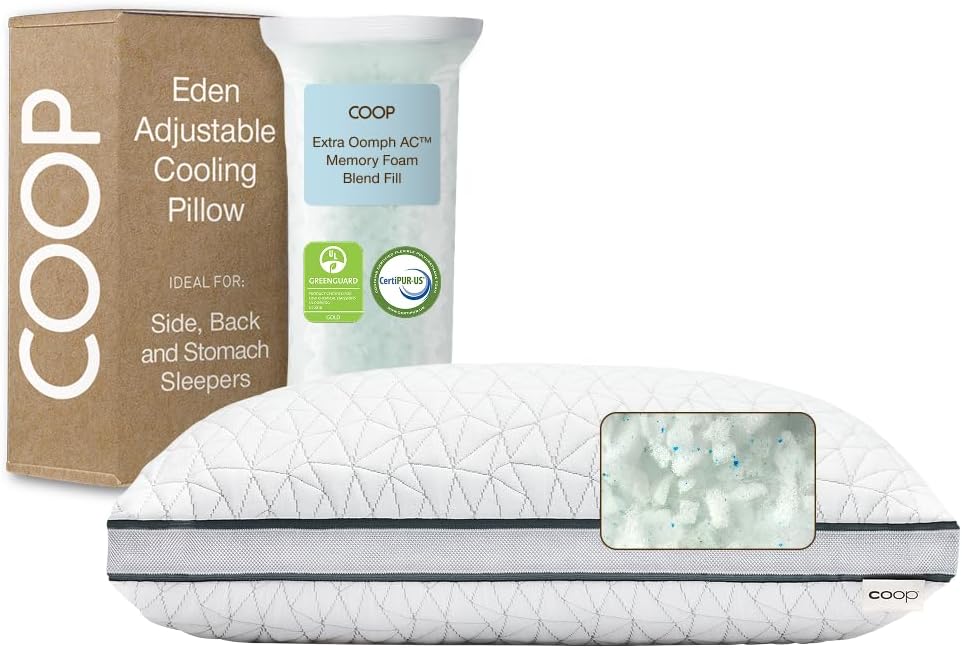 Coop Eden Pillow Queen
$87.20
Coop Eden Pillow Queen
$87.20
 Bedsure Twin XL Pad
$30.99
Bedsure Twin XL Pad
$30.99
 Pure Bamboo King Sheets
$109.99
Pure Bamboo King Sheets
$109.99
 ELEMUSE Twin XL Topper
$63.98
ELEMUSE Twin XL Topper
$63.98
 TEMPUR Supreme Twin XL
$189.00
TEMPUR Supreme Twin XL
$189.00
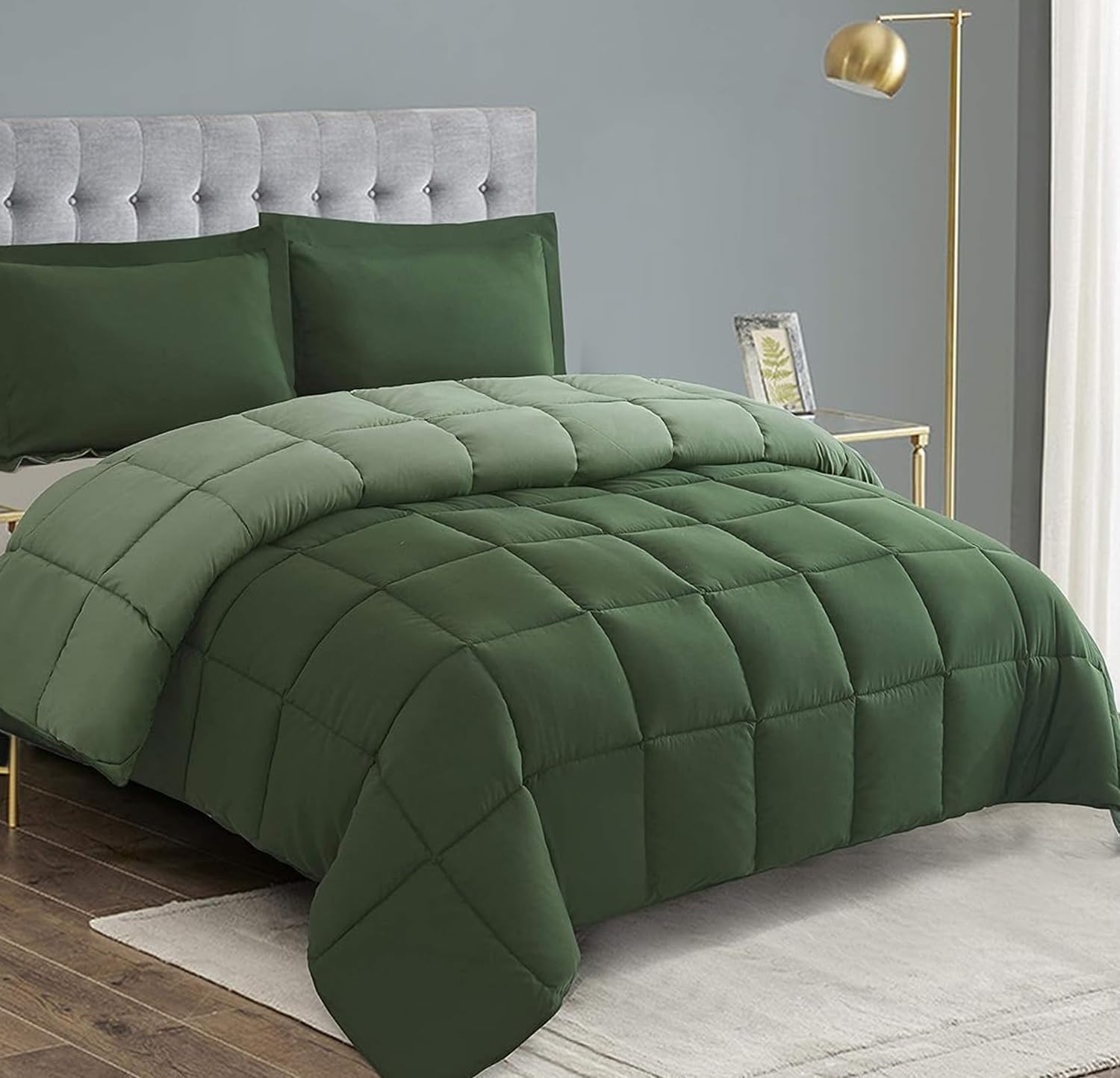 HIG Twin XL Comforter Set
$32.99
HIG Twin XL Comforter Set
$32.99
 ViscoSoft 2-Inch Twin
$139.95
ViscoSoft 2-Inch Twin
$139.95
 Bedsure Twin Fleece Blanket
$23.99
Bedsure Twin Fleece Blanket
$23.99
 Bedsure Twin XL Blanket
$34.99
Bedsure Twin XL Blanket
$34.99
 Sponsored Ad – Amazon.com
Understanding Dorm Bed Sizes: Why Twin XL Became Standard
When planning for college, many students assume they’ll sleep on a standard twin bed. However, most residence halls across North America use the twin XL size. According to a detailed guide from National Mattress, administrators switched to twin XL beds in the mid‑1970s because students were getting taller. The twin XL offers the same 38‑inch width as a standard twin but stretches to 80 inches long, adding five extra inches of legroom. This gives the length of a king‑sized bed while maintaining a narrow profile that fits into small rooms. The extra length provides 11 inches of clearance for the average 69‑inch‑tall student, preventing feet from hanging over the edge and improving sleep qualitynationalmattress.ca.
Key takeaways from the twin XL guide include:
- Dimensions: Twin XL mattresses measure 38 × 80 inches – five inches longer than a standard twin.
- History: Colleges adopted twin XL beds in the mid‑1970s after research showed students were growing taller.
- Space efficiency: The narrow width preserves floor space for desks and storage while the extra length offers comfort.
- Bedding fit: You must buy twin XL sheets and bedding. Standard twin sheets will not fit properly and will leave the mattress exposed.
Knowing your mattress dimensions helps you shop confidently and avoid purchases that don’t fit. Next, we’ll break down each piece of bedding you need to create a cozy dorm retreat.
Essential Dorm Bedding Items
1. Twin XL Sheet Sets
Sheets form the foundation of your bedding. The Business Insider guide to dorm bedding notes that nearly every dorm uses a twin XL mattress and recommends buying at least two sets of twin XL sheetsbusinessinsider.com. Having a spare set ensures you can change your bedding on laundry day without sleeping on bare foam. The same article stresses that you should wash your sheets weekly – an important hygiene habit that prevents allergens and bacteria from building up.
When selecting sheets, consider these factors:
- Material: Natural fibres like cotton, bamboo or linen regulate temperature and wick moisture, making them ideal for hot or humid climates. Synthetic microfibre sheets are more affordable and wrinkle‑resistant but can trap heat.
- Thread count and weave: A thread count between 200 and 400 is generally comfortable; percale weaves feel crisp while sateen weaves feel silky. Extremely high thread counts often use double‑plied yarns that don’t breathe as well.
- Fit: Look for sheets labelled “Twin XL” and check the pocket depth. A deep‑pocket fitted sheet is necessary if you use a thick mattress topper.
2. Mattress Protector or Encasement
A mattress protector shields your dorm mattress from spills, sweat, allergens and bed bugs. Many universities require students to use a waterproof protector to prevent sanitation issues. Look for protectors with a soft, breathable top layer and a waterproof backing. Zippered mattress encasements provide full coverage and help prevent bed bugs – a growing concern in shared living environments.
3. Mattress Pad or Topper
Dorm mattresses are often thin and firm. To improve comfort, add a mattress pad or topper. The Business Insider reviewer recalls sitting on a dorm mattress and dreading sleeping on “that spring‑filled monstrosity” until a topper transformed it into a soft, supportive bedbusinessinsider.com. Mattress toppers don’t just add plushness; they support your body and reduce neck and back pain.
Types of toppers:
- Memory foam: Contours to your body and relieves pressure points. Look for ventilated designs or gel infusions to prevent overheating.
- Latex: Offers responsive support and sleeps cooler than foam. Natural latex is durable and eco‑friendly but usually more expensive.
- Feather or down alternative: Creates a fluffy, hotel‑like feel. Down alternative is hypoallergenic and easier to clean than real down.
- Egg‑crate foam pads: Budget‑friendly and lightweight but provide less support than memory foam.
You can also use a simple quilted mattress pad to add a thin layer of softness and protect the mattress without dramatically changing the feel. Whatever you choose, ensure it fits the twin XL mattress and consider a pad with straps or a fitted skirt so it stays in place.
4. Comforter, Duvet or Quilt
A comforter or duvet keeps you warm and adds style to your room. Colleges of Distinction advises bringing a comforter or quilt that is easy to wash and durablecollegesofdistinction.com. Reversible comforters are a fun way to change your room’s look mid‑semester without buying new bedding. Choose a twin XL size to match your mattress, and select a fill weight appropriate for your climate: lighter for warm regions and heavier for colder zones. Down alternative comforters offer softness without triggering allergies and often come with corner loops to secure a duvet cover.
5. Blanket or Throw
Layering is key to comfort. Bring at least one throw blanket or lightweight quilt for extra warmth. Throws are perfect for afternoon naps, movie nights with friends or adding a pop of colour to your bed. Fleece blankets are inexpensive and cozy, while woven cotton or wool throws breathe better but cost more.
6. Pillows and Pillowcases
Proper head and neck support improves sleep quality. A standard sleeping pillow should suit your preferred sleeping position: medium‑loft pillows for side sleepers, lower loft for stomach sleepers and adjustable fill for combination sleepers. Colleges of Distinction notes that dorm packing lists should include pillows and pillowcasescollegesofdistinction.com. Bring at least two pillowcases per pillow so you have a clean one available when doing laundry. Many students also pack a body pillow or reading pillow for back support while studying or watching shows in bed.
7. Decorative and Support Pillows
Accent pillows aren’t essential, but they make a dorm room feel homey. A supportive reading pillow (sometimes called a husband pillow) is particularly useful because dorm beds often double as couches and desks. Extra pillows can also prop you up when you’re sick or provide a makeshift guest seat. Just remember that too many pillows can clutter limited space, so choose pieces that serve a purpose.
8. Bed Skirt, Under‑Bed Storage and Bed Risers
Dorms notoriously lack storage. A simple bed skirt hides clutter and adds a finished look to your setup. Under‑bed storage bins help keep seasonal clothes, extra bedding or textbooks organised. If your housing policy allows, bed risers can raise your bed by several inches to create more storage space beneath. Opt for risers with built‑in power outlets or USB ports to conveniently charge devices. Always confirm that bed risers comply with your dorm’s safety rules.
9. Optional Extras: Mosquito Nets, Foam Guard Rails and Bed Bug Encasements
Some campuses in tropical climates recommend mosquito nets to protect against bites at night. Foam guard rails prevent pillows and blankets from falling off lofted beds, while bed bug encasements zip around the entire mattress and prevent pest infestations. These accessories are optional but may be worth considering depending on your location and housing policies.
Sleepyhead Twin XL Topper
$469.00
Coop Eden Pillow Queen
$87.20
Bedsure Twin XL Pad
$30.99
Pure Bamboo King Sheets
$109.99
ELEMUSE Twin XL Topper
$63.98
TEMPUR Supreme Twin XL
$189.00
HIG Twin XL Comforter Set
$32.99
ViscoSoft 2-Inch Twin
$139.95
Bedsure Twin Fleece Blanket
$23.99
Bedsure Twin XL Blanket
$34.99
Sponsored Ad – Amazon.com
Step‑by‑Step Guide to Assembling Your Dorm Bed
Creating a comfortable bed involves more than throwing on a comforter. Follow this step‑by‑step process:
- Inspect the dorm mattress. On move‑in day, check the provided mattress for damage or stains. Report any issues to your residence hall staff so you’re not held liable.
- Place the mattress protector or encasement. Slip on a waterproof, zippered encasement to protect against spills and bed bugs. Smooth out any wrinkles so the protector fits snugly.
- Add the mattress pad or topper. If using a foam topper, allow it to expand for several hours before placing it on the bed. Align the corners and secure any elastic straps.
- Put on the fitted sheet. Stretch the corners of your twin XL fitted sheet over the mattress and topper. Make sure it’s taut so it doesn’t bunch up during sleep.
- Add the top sheet (optional). Many students enjoy a top sheet as a lightweight cover during hot nights. Tuck the foot end under the mattress using hospital corners for a polished look.
- Lay out the comforter or duvet. Shake out your comforter or insert it into a duvet cover and spread it evenly over the bed. Use duvet clips to keep the insert from shifting.
- Layer on blankets. Fold a throw blanket at the foot of the bed or drape it over the back of a reading chair for easy access on chilly evenings.
- Arrange pillows. Start with your sleeping pillow(s), followed by a reading pillow or body pillow for support. Add decorative pillows last.
- Personalise with style. Finish the look with a bed scarf, a colour‑coordinated throw or a set of fairy lights strung across the headboard. These small touches transform a utilitarian space into a cozy retreat without violating dorm rules.
Material and Quality Considerations
Natural vs. Synthetic Fibres
Natural fibres such as cotton, linen and bamboo breathe better than most synthetic materials and help regulate body temperature. Cotton percale sheets feel crisp and cool, while sateen weaves are smooth and slightly warmer. Bamboo fibres are naturally antimicrobial and moisture‑wicking, making them a great choice for hot climates. Linen is highly durable and gets softer over time but may wrinkle easily and cost more.
Synthetic microfibre sheets are inexpensive, lightweight and resistant to wrinkles. However, they can trap heat and may pill with frequent washing. If you choose microfibre, look for brushed or double‑brushed varieties for added softness.
Thread Count and Weave
Thread count refers to the number of horizontal and vertical threads woven into one square inch of fabric. Many marketing campaigns push counts above 800, but quality doesn’t automatically increase with higher numbers. Cotton sheets with a thread count between 200 and 400 provide a balance of breathability and durability. Percale weaves (a plain weave pattern) feel crisp and are excellent for warm sleepers, while sateen weaves (a satin‑like weave) are silkier and slightly warmer. Twill weaves offer a soft drape and better wrinkle resistance.
Fill Power and Weight in Comforters
The warmth of a down or down‑alternative comforter depends on fill power (the volume one ounce of down occupies) and total weight. Higher fill power (over 600) means better insulation and loft with less weight. For dorm use, down‑alternative fills are popular because they are hypoallergenic, easy to care for and more affordable than genuine down. Look for sewn‑through or baffle‑box constructions to keep the fill evenly distributed.
Real‑World Example: Transforming an Uncomfortable Dorm Bed
Imagine arriving on campus and finding a lumpy, firm mattress that leaves you tossing and turning. A fellow student experienced this during their freshman year. They first bought a basic quilted mattress pad, which offered minimal improvement. After reading an expert review noting that memory foam toppers can turn an uncomfortable bed into a “soft, sleepy paradise” and help support the body, they invested in a 3‑inch gel‑infused memory foam topper. The difference was immediate – pressure points disappeared, and they woke up without neck or back pain. Paired with breathable cotton sheets and a lightweight comforter, their bed became a haven for rest, significantly boosting energy levels and focus during lectures.
Budget tip: Memory foam toppers and high‑quality sheets can be expensive. Look for sales at the end of summer and consider splitting the cost with family members as a practical graduation gift. Durable bedding will last beyond freshman year and can move with you into apartments later on.
Care and Maintenance Tips
Proper maintenance extends the life of your bedding and preserves hygiene. Here’s how to keep your dorm bed fresh:
- Wash sheets weekly. The Business Insider guide stresses that having an extra set of sheets ensures you can wash one set while using the other and reminds students that you should wash sheets weeklybusinessinsider.com. Use warm water and mild detergent, and avoid fabric softeners on microfibre sheets because they can clog fibres.
- Clean mattress protectors every one to two months. Follow manufacturer instructions; many protectors are machine‑washable. Air‑dry waterproof layers to prevent damage.
- Air out and spot‑clean mattress toppers. Memory foam and latex toppers typically cannot be machine‑washed. Instead, vacuum the surface to remove dust and sprinkle baking soda to neutralize odours. Allow it to air out in sunlight when possible.
- Fluff and rotate comforters. Down and down‑alternative comforters should be fluffed regularly to maintain loft. Check the care label; some can be machine‑washed in a large front‑loading washer.
- Replace pillows every one to two years. Even with protectors, pillows accumulate sweat and allergens over time. Washing pillowcases weekly and pillow protectors monthly helps prolong their lifespan.
Additional Dorm Bedding Considerations
Check Housing Policies
Before purchasing large or electrical items (like heated blankets or bed risers with built‑in outlets), review your housing contract. Many colleges restrict electric blankets due to fire hazards and limit the height of bed risers. Always opt for flame‑retardant materials and certified products.
Climate and Personal Preferences
In humid regions, moisture‑wicking sheets and lighter blankets help prevent night sweats. In colder climates, invest in a heavier duvet or add a fleece blanket. If you’re a hot sleeper, choose cooling mattress toppers and breathable sheets; if you’re a cold sleeper, consider flannel or jersey knit sheets that retain heat.
Storage and Organisation
Dorm rooms rarely have generous closet space. Use under‑bed storage bins for spare bedding and seasonal clothing. Vacuum‑seal bags compress comforters and blankets for summer storage. Keep a small laundry hamper or bag near your bed to encourage regular washing.
Conclusion
Quality sleep is essential for academic performance, mental health and overall wellbeing. College students face numerous challenges to good sleep, from packed schedules to dorm noise and uncomfortable mattresses. By investing in the right bedding – including twin XL sheets, a mattress protector, a supportive topper, comforter, pillows and throws – you can transform an institutional bed into a personal sanctuary. Remember to choose breathable materials, layer for changing temperatures and care for your bedding regularly. A comfortable dorm bed not only helps you recover from long study sessions but also sets the stage for a successful, healthy college experience.
For more dorm living tips, check out the NotesForSHS guide to noise‑cancelling headphones for dorm and library use, which highlights how ANC technology improves focus and stress levels in shared spaces. You can also browse our top tech gadgets for students to upgrade your study setup.
Frequently Asked Questions
What bedding should I bring to a college dorm?
Essential dorm bedding usually includes:
- Two sets of Twin XL sheets (fitted + flat + pillowcases)
- Mattress protector (for hygiene and spills)
- Mattress pad or topper (for comfort and pressure relief)
- Comforter or duvet (plus a duvet cover if you prefer)
- Blanket or throw (for layering)
- Pillows (with extra pillowcases)
Optional extras include a bed skirt, reading pillow, and under-bed storage bins for keeping your room tidy.
Do I really need a mattress topper for my dorm bed?
Most dorm mattresses are thin and firm, so a topper can make a huge difference. A quality topper adds cushioning and support and can reduce pressure points that cause neck or back discomfort. If you’re on a tight budget, a quilted mattress pad is a cheaper alternative that adds some softness and protection.
What’s the difference between a twin and a twin XL?
A standard Twin mattress is 38 × 75 inches. A Twin XL is 38 × 80 inches, which adds 5 extra inches of length. Many U.S. dorms use Twin XL to accommodate taller students, so always confirm your school’s mattress size before buying sheets.
How many sets of sheets should I bring?
Bring at least two sets of Twin XL sheets. That way, you can wash one set and still have a clean set on the bed. Extra pillowcases are helpful too—especially if you get sick, sweat at night, or spill something.
How often should I wash my dorm bedding?
- Sheets + pillowcases: weekly
- Mattress protector: every 1–2 months (or after spills)
- Comforter/blanket: once or twice per semester (more often if you have allergies or spills)
Always follow the care label instructions for each item so you don’t shrink or damage the fabric.
Do colleges provide pillows or comforters?
Usually, no. Most colleges provide only a bare Twin XL mattress and bed frame. Students typically bring their own sheets, pillows, comforters, and mattress accessories. Some housing departments sell or rent linens during move-in, but options can be limited—so buying ahead is usually the best plan.
Sleepyhead Twin XL Topper
$469.00
Coop Eden Pillow Queen
$87.20
Bedsure Twin XL Pad
$30.99
Pure Bamboo King Sheets
$109.99
ELEMUSE Twin XL Topper
$63.98
TEMPUR Supreme Twin XL
$189.00
HIG Twin XL Comforter Set
$32.99
ViscoSoft 2-Inch Twin
$139.95
Bedsure Twin Fleece Blanket
$23.99
Bedsure Twin XL Blanket
$34.99
Sponsored Ad – Amazon.com